Wednesday, October 31, 2012

Growing like stink

The supermarket carpark Gardenia
 The other day a mate said to me in conversation that everything was 'growing like stink'. I thought I was the only one who used this Australian colloquial  expression. Many would be more familiar with the words 'tomorrow is going to be a real stinker', meaning an oppressively hot day (which incidentally it is going to be). Flowers seem to have this sense of an approaching heatwave. Tonight, the night scented Jasmine (Cestrum nocturnum) is filling the air with its evocative coconut fragrance. Shrub Gardenias which are covered in shiny buds will be out in force tomorrow, though it never ceases to amaze me how well they grow without water or fertilizer in a supermarket carpark but fail to thrive in a home garden. There are high pitched squeals of delight out on the street from young folk celebrating Halloween so it feels like summer is just around the corner.
The place you notice the speed of growth the most is in the vegetable garden. The first basil and zucchini have already been harvested and young tomato fruit is forming. As soon as this happens I stop using any fertilizer or liquid feed which contains nitrogen. I either side dress the plants with sulphate of potash or use a liquid feed of Amino Grow, the Amino Acid based organic plant food. I am also now watering only twice a week, giving the plants a good deep soak and forcing their roots to go deeper so they become more stable so as to withstand any wild weather in the months to come.


Tomato and Zucchini plants looking great.

Tuesday, October 30, 2012

Confederate Violet, Viola sororia

Confederate Violet
Viola sororia
This little beauty hails from North East America and here it flowers in late winter through to spring.
Taxonomists, those dedicated folk who classify plants and give them their proper names, seem to get their knickers in a twist about violets as they vary so much and don't stay true to type. This one can be either a violet blue colour or pale grey or even spotted and flecked as in the cultivar 'Freckles'. The common name is given because the pale grayish blue resembles the colour of Confederate uniforms during the Civil War. At the flowers heart are tiny whiskers and thin dark lines so as to trick any visiting bee that it has found a very accommodating mate while it performs its pollination duties . I have only grown this for a year or so but apparently it is a bit promiscuous in the seed spreading department and liable to become a bit weedy. In late winter it did something quite strange by disappearing for a while so I thought I had lost it. Then it came back to life when the weather warmed up, putting on fresh green leaves and sending up flowers. Not much Violet perfume from this one but the flowers are a real treat especially when viewed up close under a hand lens.

Saturday, October 27, 2012

Rosa 'Orange Honey'

Miniature rose 'Orange Honey'
Miniature roses are quite delightful because if you grow them in pots, as I do, you get to place the container on a bench and check out the flower up close under a magnifying glass. This one was bred by Ralph Moore in United States in 1979. It reminds me a bit of the rose 'Chameleon' as this one also has a flower which changes colour as it ages. Whereas Chameleon takes on a yellow colour, this one goes hot pink on the tips of the petals, while below is soft pink to white and then green at the base. The flowers last well in a vase and you get the full range of colours from a small posy of blooms. No doubt miniature roses will become more popular as gardens get smaller and the option becomes what one can grow on a balcony in a planter box.

Friday, October 26, 2012

Carnation 'King of the Blacks'

Dianthus caryophyllus 'King of the Blacks'
Continuing my obsession with near black flowers, this carnation has just started to bloom. At first I was disappointed as the buds emerged a deep crimson and were even flecked with a few tell tale white spots , a sign that aphids had spread one of those microscopic viruses to the plant.Then after a few days the flowers started to get darker before eventually turning an inky black. So I picked a small bunch and mixed them with silver foliage and grasses in a vase. Terrific clove scent is a bonus with all Dianthus species. Amongst this batch are some single flowered specimens which are equally as appealing. Like some throwback to a Renaissance flower painting and the colour of the robes of a titled gentleman from that period. Now I just need some tips on how to photograph dark flowers and capture the true colour.

Wednesday, October 24, 2012

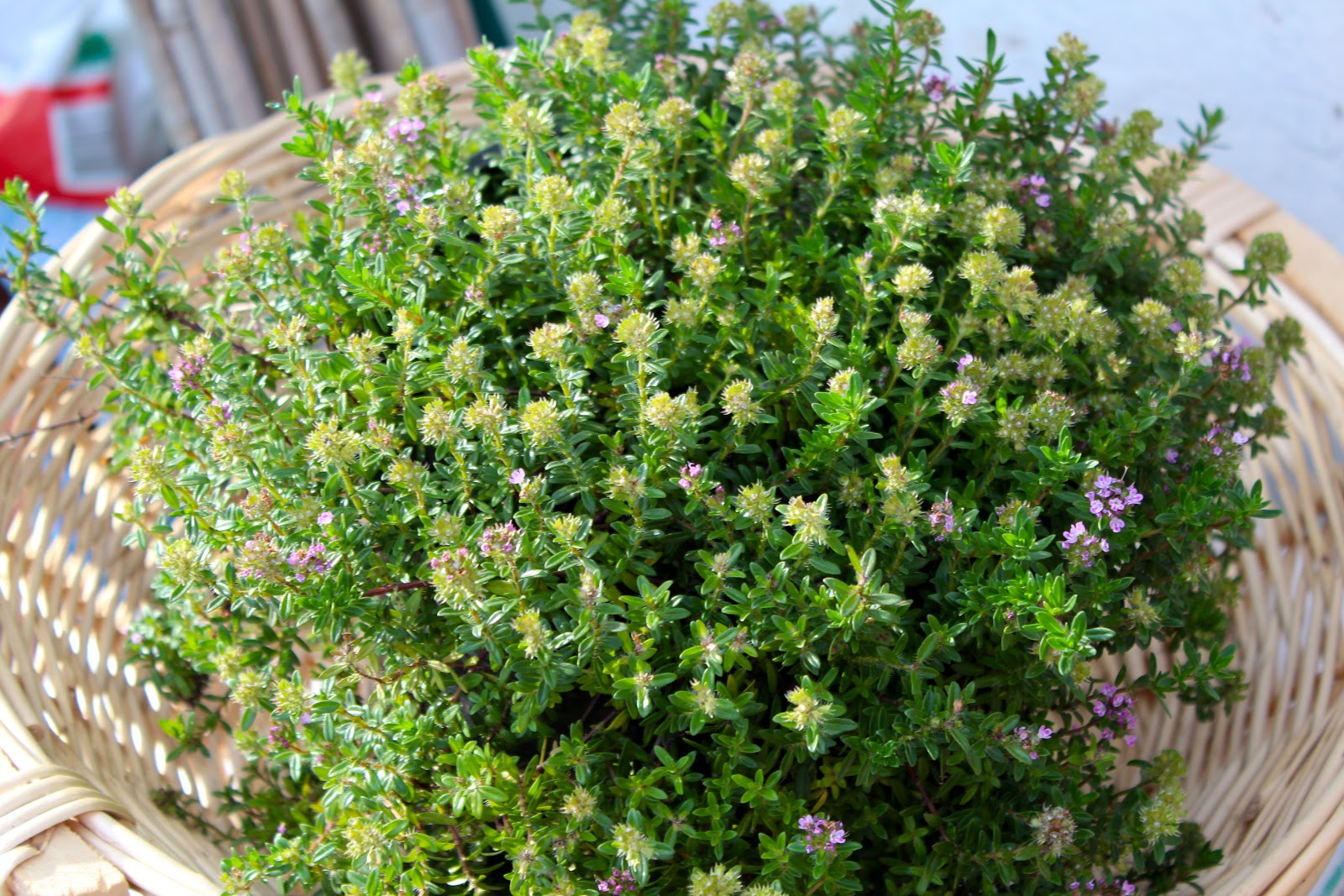
Jekka's Thyme

Thymus 'Jekka'
Jekka McVicar is a very well known British nurserywoman who specializes in growing over 300 hundred varieties of herbs including this species of thyme which bears her name. What the exact species name is remains to be found but it is a terrific addition to any culinary garden regardless. Late last year I bought this form through a specialist shrub and perennial nursery in Victoria. It is a dense low mounding plant with quite large leaves and characteristic aromatic thyme smell. It has just had a flush of tiny pink flowers which smothered the plant entirely and was much appreciated by bees. I am thinking it is one of those no water or fertilizer plants as I lost a few plants from too much water and probably too much shade over winter. Cuttings strike fairly easily and the spreading shoots send down roots as they cover the ground and these are easily detached for planting or potting on.

Monday, October 22, 2012

Aloe variegata, Partridge-breasted Aloe

 If you read any houseplant or indoor plant book which originates from the UK, this Aloe is sure to be featured. It is a neat stemless succulent without spines or prickles and at this time of year it sends up a curved inflorescence of orange pink flowers from between the keel shaped spotted leaves. It is not often available commercially here perhaps because it is relatively slow to increase from offsets or maybe because it is just too small at just 20cm to make an impact as an indoor or container specimen. It requires very little water to keep it looking good and in its native habitat of southern Africa (Free State, Karoo, and Namaqualand) it goes by the common name of Kanniedood meaning eternal life.

Sea of pink

Oenothera speciosa Pink Evening Primrose
I am always doing trials of various plants to see how they grow under fairly harsh conditions, either in poor soil or under a no water no fertilizer regime. This perennial from Mexico has loved the hot dry conditions of this spring. It is a bit of a spreader though and sends down underground creeping stems and pops up further away from where you planted it Flowering stems shoot up to about 30cm and they support each other. This does not happen when it is grown as a pot plant and it tends to flop about. Not much good when you are growing plants for sale as they tend to look less than robust or just plain untidy. This is a good plant for sunny dry embankments but would need to be sheared down at the end of the growing season and kept contained. It dies down over winter so its growing place could be covered in mulch or compost and it will happily grow back through the covering in spring.